
New publications
Preparations
Dalmaxin
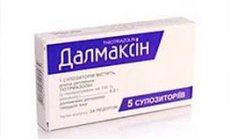
Dalmaxin is a hepatotropic drug that normalizes liver function.
Dalmaxin effectively reduces inflammation of the mucous membranes and promotes the restoration of damaged areas.
ATC classification
Indications Dalmaxin
Dalmaxin is prescribed for inflammation and ulceration of the intestinal mucosa, cracks and erosions of the rectum or anus.
The medication is also used for inflammation and erosive lesions of the cervix, vagina, atrophic or viral forms of colpitis.
Dalmaxin helps to effectively restore the mucous membrane after treatment with liquid nitrogen or high temperatures, as well as after other types of surgical treatment.
As part of complex treatment, Dalmaxin is used for persistent, toxic, viral or chronic active hepatitis, liver diseases.
Release form
The medication is available in the form of suppositories, each of which contains 0.2 g of the active substance - thiotriazoline.
Pharmacodynamics
Dalmaxin stops the oxidation of organic compounds, stabilizes the cell membrane, and has an anti-ischemic effect.
The active substance prevents the breakdown of hepatocytes (cells with the ability to recover), reduces the amount of fat in the liver and dead cells, helps restore liver cells, and also improves protein, carbohydrate, pigment, and lipid metabolic processes in the organ.
The medication stimulates the gallbladder and also improves the chemical composition of bile.
When administered rectally or vaginally, a local anti-inflammatory effect is observed, Dalmaxin accelerates the healing process of wounds and ulcers on the mucous membranes of the urinary and genitourinary systems. After absorption into the blood, the drug has a similar effect on the mucous membranes of the stomach and intestines.
Pharmacokinetics
When administered rectally, the amount of active substance in the body reaches 60%. The drug accumulates in high concentrations in the liver, spleen, rectum, kidneys, and a small amount is observed in the small intestine and lungs.
In addition to the local effect, the drug penetrates the mucous membranes and enters the blood quite quickly. The highest blood level is recorded one and a half hours after administration.
The half-life of the drug is about three hours, excretion occurs mainly in the urine.
Dosing and administration
Dalmaxin is prescribed rectally for hepatitis (chronic or acute form) 1 suppository twice a day, the course of treatment is from two to four weeks.
For intestinal inflammation - rectally 1 suppository twice a day, course of treatment - from one to two weeks.
For inflammation or erosion of the cervix or vagina - vaginally, one suppository per day (preferably before bedtime), the course of treatment is from one to two weeks.
 [ 1 ]
[ 1 ]
Use Dalmaxin during pregnancy
It is not recommended to use the medication during pregnancy, since there is no reliable data on the safety of using the drug during this period.
Dalmaxin can be prescribed to a pregnant woman only by the attending physician based on vital signs.
Contraindications
Dalmaxin is contraindicated in cases of hypersensitivity of the body to any components of the drug, renal failure.
Side effects Dalmaxin
Dalmaxin provokes the appearance of allergic rashes, itching, redness of the skin, anaphylactic shock.
Choking, shortness of breath, dizziness, weakness, tinnitus, nausea, dry mouth, increased blood pressure, heart pain, and increased heart rate are also possible.
Overdose
Dalmaxin in high doses causes an increase in the level of sodium and potassium in the urine. When the dosage is reduced, the side effects disappear without additional treatment.
Storage conditions
Dalmaxin should be stored in a dry place, out of the reach of children, the storage temperature should not exceed 25°C.
Shelf life
Dalmaxin is valid for three years from the date of manufacture. It is not recommended to use the medicine if the packaging is damaged or after the expiration date.