
New publications
Preparations
Thyme herb
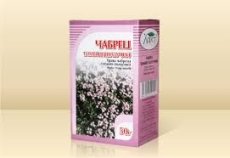
Thyme herb is a medicinal plant with many beneficial properties.
ATC classification
Indications thyme
Thyme herb is used for:
Inflammatory diseases of the nasopharynx:
Inflammatory diseases of the oral cavity:
Diseases of the upper respiratory tract
Release form
Thyme herb is produced in the form of plant raw materials in bags.
Dosing and administration
Place 10 g of the herb in an enamel bowl, pour in 200 ml of hot boiled water, cover with a lid and leave in a water bath for 20 minutes, cool at room temperature, and strain. Bring the volume of the resulting infusion to 200 ml. Take 1 tablespoon 2-3 times a day before meals. For rinsing the mouth, use ½ cup 3-4 times a day.
Use thyme during pregnancy
It is prohibited to use thyme herb during pregnancy.
Contraindications
Impaired liver or kidney function, stomach ulcer, hypothyroidism, atherosclerosis, pregnancy, breastfeeding.
 [ 8 ]
[ 8 ]
Side effects thyme
Nausea.
Overdose
Special instructions
The plant has been popular among the Slavs since ancient times. It is winter-hardy. The flowers are white or blue, collected in bunches. The leaves of thyme are hard, ovoid. Sowing is carried out at the end of March, in June thyme begins to bloom. This herb has a very pleasant aroma and a slightly bitter taste. The harvested crop is dried in the shade, and before use it is sifted to get rid of large foreign particles.
Thyme contains gum, vitamins B and C. In addition to its antiseptic effect, thyme also has an anti-inflammatory, expectorant and antispasmodic effect on the body. Thyme overcomes rheumatism, helps to overcome toothache and stomatitis.
Thyme bath: boil thyme and throw it into the bath. For this you need a pack of herbs, which you pour boiling water over and leave for 2 hours. Such a bath is a light sleeping pill and is excellent for calming.
Recipe for thyme oil: take the herb and pour oil over it (1:3). Infuse for 14 days.
Avicenna believed that thyme delays old age. The Greeks took thyme for asthma and meningitis. The Egyptians used thyme for embalming.